The junction on this map is a vet who has met your dog
Every lane on the law crossings page passes through a vet or the FDA. For one dog, that means one vet who knows the animal.
What the vet-client-patient relationship means
Before a vet may prescribe a drug for an off-label use, federal law requires a veterinarian-client-patient relationship, or VCPR. The vet takes on the dog's medical decisions, knows the dog enough to reach at least a preliminary diagnosis, and remains available if treatment misfires.
The federal rule asks for a recent in-person exam of the dog, or a visit to where it is kept. Pictures, clips or a web form cannot stand in for that on their own.
Why the vet sits at the junction
Prescription animal drugs can reach an owner only from a licensed vet or through a vet's instruction, and selling one without a prescription breaks federal law. For a drug used exactly as its label says, federal law leaves the relationship rules to each state.
Only the vet can weigh a medicine against one dog's age, weight, other drugs and health history.
Video visits depend on the state
For off-label prescribing, a video call alone cannot create the federal relationship, though video can help keep one going after an exam.
In Texas, calls, messages or video cannot by themselves start that relationship. The vet needs an in-person exam or an appropriate visit to the place where the animal lives. Since January 1, 2024, California has allowed a live video exam to start the relationship under state law; a voice call or questionnaire cannot do so. California limits prescriptions after a video start, and bars controlled drugs without an in-person exam.
California's rule does not replace the federal requirement for off-label medicines: video alone still cannot start the relationship needed for those. California also sets limits on how long prescriptions last and on medicines used to treat infections. Ask the vet which limits apply to the proposed medicine.
The rules recorded here cover federal law, Texas and California as checked in September 2026. For another state, a useful question for the clinic is: does our state accept video for this visit and this prescription? The state veterinary board can also explain its rules.
What a careful visit about a new medicine looks like
A visit about a new medicine usually involves an exam, frequently some blood and urine work beforehand, and a schedule of rechecks. For a dog on a long-term NSAID, a type of medicine for pain and swelling, the FDA calls liver and kidney blood tests before starting, and again at regular intervals, a good idea.
The FDA also lists two things worth raising: whether a new medicine could clash with drugs the dog already gets, and whether it could worsen an existing illness such as kidney or liver disease.
What to bring through the door
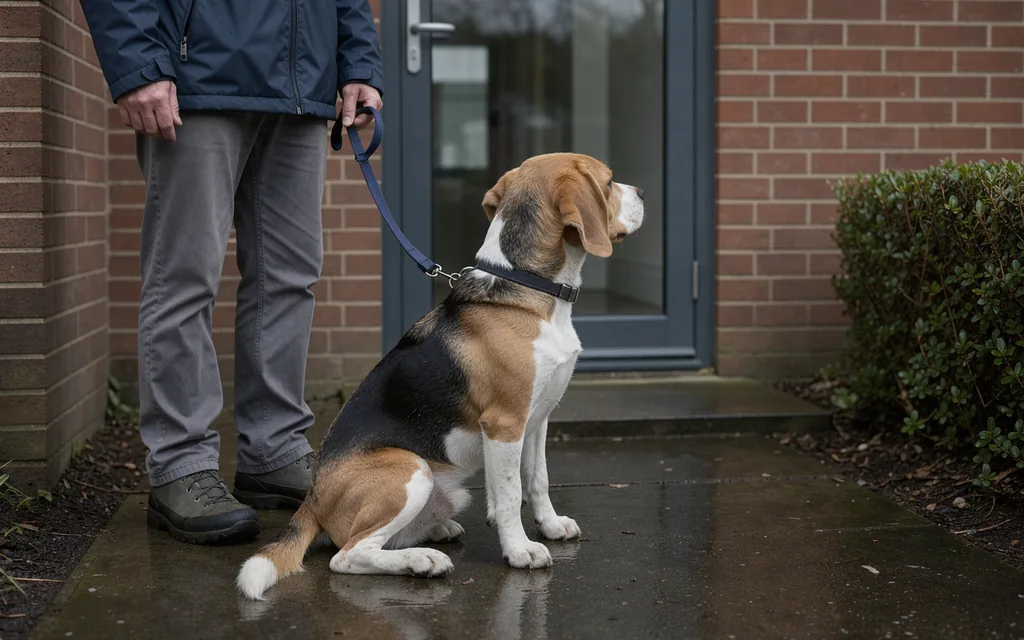
- A written list of everything your dog gets: prescriptions, supplements and anything bought online.
- The product itself, with its label, its carton or the listing it came from.
- Notes on what you have seen: when it was given, how much, and any change in your dog since.
The FDA itself suggests keeping such a list and bringing it to the vet. The list helps the vet understand what your dog has already received.
Sources behind this page
Read the public records and research behind this page.
- FDA: vet-client-patient relationships, prescribing and telemedicine
- Federal rules on extra-label drug use in animals (eCFR)
- Texas Occupations Code: when a vet may practise
- California law on veterinary telehealth
- Veterinary Medical Board of California: telehealth questions
- FDA: pet pain relievers explained
- FDA: questions for your vet about a pet's medicine
- FDA: medication errors happen to pets, too